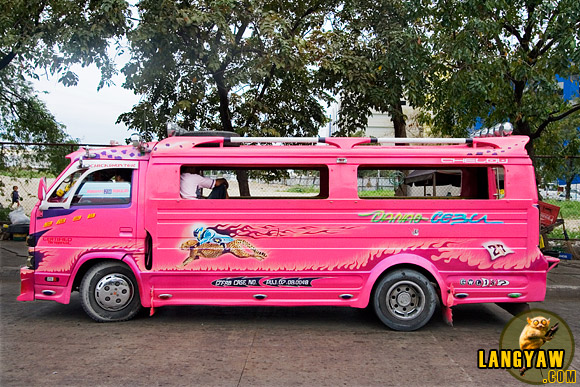

 Speak of Cebu and images of the Sto. Niño , the province’s patron, come to mind. And so does the valiant Lapu-Lapu, sweet mangoes, the famous lechon, guitars and beaches. But it is more than that. Cebu is a special and beautiful place. It is also my home.
A pig flew. A rooster stood proud. Dragons billowing a firey breath. Christ carrying his cross. These images amidst backdrops of stunning, gorgeous or sometimes gaudy colors drove passed me. I was wide-eyed and very much delighted at what flashed before my eyes. Brief, fleeting seconds it took for these marvelously hued transports winding their way. Welcome to the streets of Cebu!
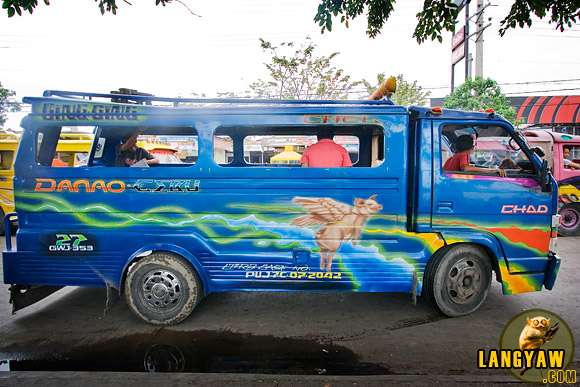
I have traveled much around the country and never have I seen so beautiful painted modern public transport than in this island province. Of course, Metro Manila has its iconic jeepneys originally leftovers from WWII converted as vehicles of public transport.

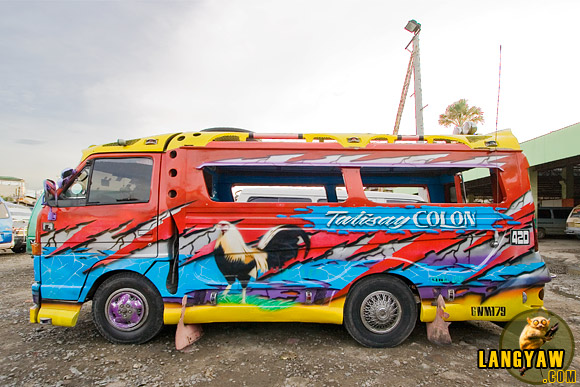

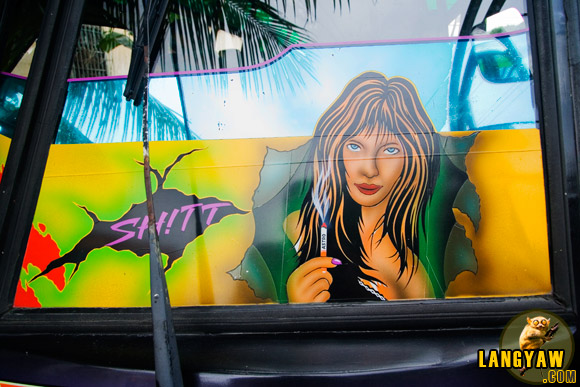
Multidecorated and done in the traditional, as we see now, Sarao model, it has dated looks. But there are stand outs. Just spend some time in Cubao, along Aurora Boulevard and the Marikina jeepneys has one of the most gorgeous examples of Pinoy pop-art. Or those that ply the Manila-Pasig-Rizal route. Contrast these with the ones, with my apologies, to the often uninspired and drab jeepneys found in Bacolod and Nueva Ecija/Nueva Vizcaya, to cite two.


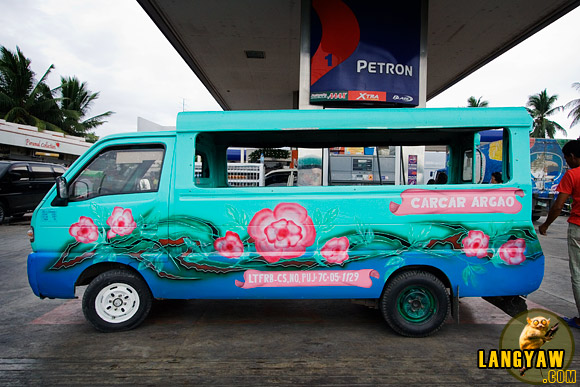
 Those on Cebu are different. From jeepneys, tricycles to minibuses, the streets are awash with color. Some are done in solid butreally bold colors while most have paintings and images in modern design. What you see is just mindboggling and I am at a loss for words that these haven’t been, as far as I know, featured before.
The 80s saw the Cimarron type, blunt nosed jeepneys often with strips of color. Later, the Sarao model became en vogue. The 90s saw the influx of surplus vehicles from Japan (but mostly second-hand) flooded the country. Colors were more bolder but still striplike with a few bits of design. In this decade, surplus multicabs, smaller and more compact are the norm. This time, body decorations are bolder and has blossomed into what you often see.

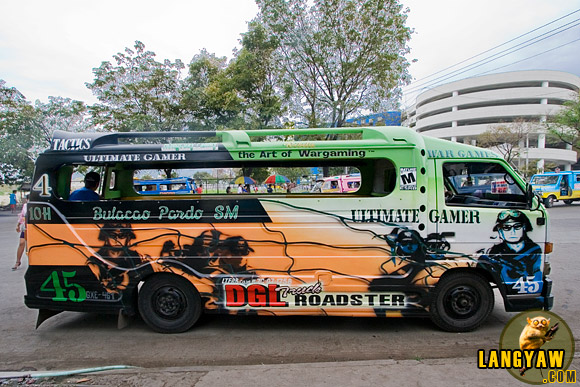


These are the best Pinoy pop-art there is in public vehicles in the country.




Hi Estan,
Since I became a private car owner, I detested jeepneys in Manila, in every city. They can be interesting with their captions but to me, the festooned kings of the street are rolling coffins driven by devils.
But Cebu jeepneys are like butterflies, how can I not adore them! They are beautiful rolling works of art. I salute the artists of Cebu. Cebu should have a jeepney galore exhibit…more “endemic” to the Philippines than the Maskara Festival- It will surely be the tourists’ delight next to your Sinulog.
I salute your website. It is a great library of information in artistic form. In lepidoptera lingo, even a caterpillar with another plant host preference will devour it.
Your love for your place of birth is so evident. Your father is beaming, the Lord who gave you the skill, delighted. Keep on, Estan.
Mabuhay ka! telyds
Wonderful… and if you think about it…quite amazing and unique !
wonderful jeepneys of cebu. cebuano’s really are atistic people… mabuhi ka bai!
Cebu Pop-art, galing!
<3 We know how to appreciate art… 🙂
Its a talent what esthan did is amazing yay😊ðŸ‘ðŸ‘ðŸ‘😉yes cebuano pinoy they are very artistic people quiet of talent that’s the lord give us amen haleluyah😊😘💖